Learn About the Reasons Behind Stucco Cracks and Effective Ways to Repair Them
Stucco is a popular choice for home exteriors due to its durability and appealing look. However, like any building material, it can develop cracks over time. Understanding the common causes of these cracks can help prevent further damage and guide you in fixing them effectively. This guide will explore typical causes of stucco cracks, offer solutions, and provide essential tips for maintaining your stucco walls.
Weather Conditions Impacting Stucco
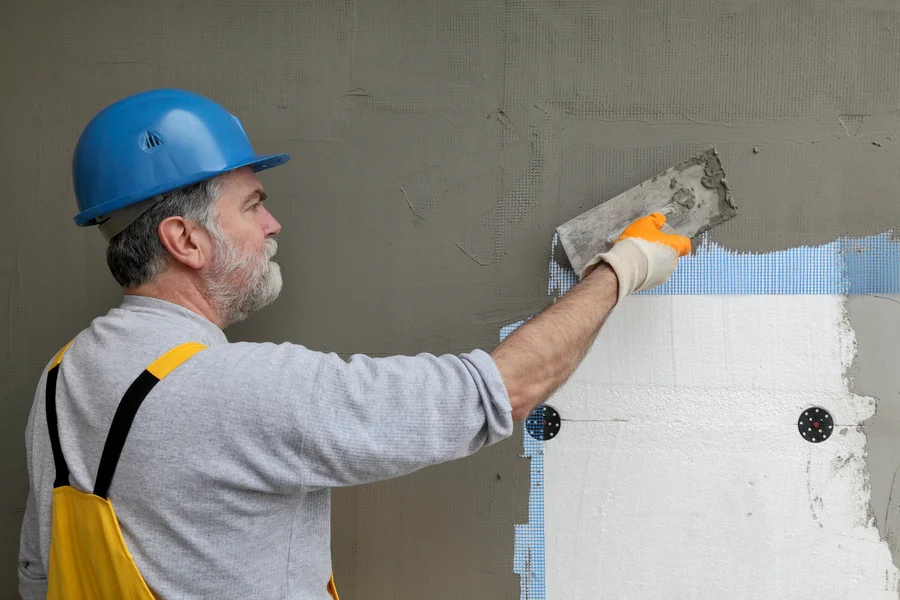
Weather conditions play a significant role in causing stucco cracks. Extreme temperature changes can lead to expansion and contraction, causing stress on the stucco surface. Additionally, heavy rainfall or severe drought can affect the moisture content within the walls, leading to cracking. It’s important to monitor weather-related changes and address any issues as they arise to maintain the integrity of your stucco.
Poor Installation Techniques
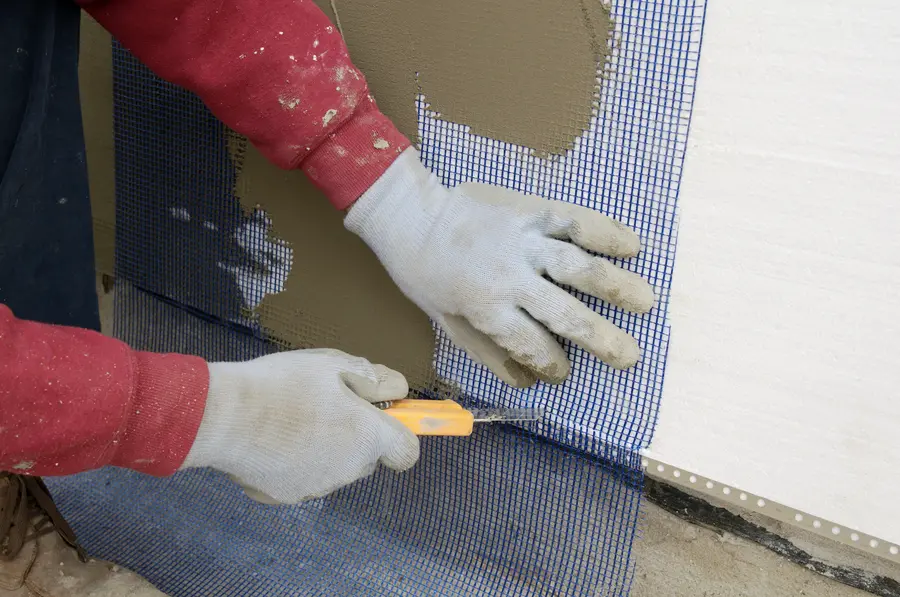
Poor installation practices are another frequent cause of stucco cracking. If the surface isn’t prepared correctly or if the mix ratio is off during application, problems are likely to occur later. Employing professional stucco repair services ensures that the installation process meets all necessary standards, reducing the risk of future cracks.
Structural Movement and Settling
The natural settling of a building can also lead to cracking in stucco. As structures age, they shift slightly, which may lead to minor or sometimes major cracks. Regular inspections and prompt stucco repair can help mitigate potential damages caused by such structural movements.
Identifying Different Types of Stucco Cracks
Not all stucco cracks are the same, and identifying them correctly is crucial for effective repairs. Here are some common types:
- Hairline Cracks: Thin and shallow, often due to drying shrinkage.
- Diagonal Cracks: Often result from foundation movement or seismic activity.
- Pattern Cracks: Resemble a web or map-like appearance, usually from poor workmanship.
Preventative Measures for Crack Reduction
Implementing preventative measures helps reduce the likelihood of stucco cracks developing. Here are some strategies:
- Avoid planting trees too close to the house; their roots can disrupt foundations.
- Ensure proper drainage around your property to minimize water retention against walls.
- Regularly inspect your home’s exterior and address small issues before they escalate.
Steps for Repairing Stucco Cracks
If you’ve identified cracks in your stucco, following a systematic repair process is key. Here’s how you can approach it:
- Clean the Area: Remove debris and dirt from the crack using a wire brush.
- Fill the Crack: Use a suitable filler or patching compound specifically designed for stucco surfaces.
- Smooth and Sand: Once dry, sand the area smooth with fine-grit sandpaper.
- Paint Over: Match the paint color with existing surfaces for uniformity.
Choosing Professional Help With Stucco Issues
While DIY repairs are possible for minor cracks, major damages should be handled by professionals. They ensure that all repairs meet industry standards and provide long-term solutions. Working with experts not only saves time but also guarantees a higher quality result that aligns with best practices in stucco maintenance.
Your Next Steps for Ensuring Stucco Longevity
For homeowners looking to preserve their property’s aesthetic appeal, addressing stucco cracks promptly is vital. At Silila General Contractor, we specialize in providing comprehensive solutions tailored to your needs. Contact us at (323) 842-2065 for expert advice and service. Based in Eagle Mountain, UT, our team is ready to assist you with maintaining your home’s exterior beauty and durability.